
led full body mirror
Understanding Bore Gauge A Tool for Precision Measurement (18 - 35 mm) In the realm of manufacturing and engineering, precision is paramount. One of the essential tools in achieving this precision is the bore gauge. Specifically, the bore gauge measuring a range from 18 to 35 mm has become an indispensable tool for engineers and machinists alike. This article explores the significance, operation, and applications of bore gauges within this specific measurement range. What is a Bore Gauge? A bore gauge is a measuring instrument designed to accurately measure the internal diameter of holes, cylinders, and tubes. Unlike calipers, which are more general measuring tools, bore gauges provide a very high degree of accuracy and are specifically tailored for internal measurements. The typical configuration includes a long, slender body and an expandable measuring mechanism that allows it to fit various bore diameters. Importance in Engineering Precision measurement is crucial in engineering fields, where even the smallest deviation can lead to significant functional issues or failures. For components that fit together, such as pistons in engine cylinders or bearings in housings, accurate internal measurements are crucial for ensuring proper tolerances. A bore gauge that measures from 18 to 35 mm fills a critical niche, as many automotive and industrial components fall within this range. How Does a Bore Gauge Work? The operation of a bore gauge generally involves the following steps 1. Insertion The gauge is inserted into the bore to be measured. 2. Expansion The arms of the bore gauge expand as it is turned. This ensures that the gauge fits snugly against the internal surface of the bore. 3. Measurement Once properly positioned, the gauge is withdrawn, and the measurement can be read off a micrometer or dial indicator attached to the gauge. For the bore gauge to provide accurate readings, it is essential to calibrate it correctly and ensure that it is in good working condition. Applications of Bore Gauges bore gauge 18 35mm Bore gauges measuring between 18 mm and 35 mm are used in various applications across different industries 1. Automotive Industry They are commonly used to measure cylinder bores for engines, ensuring that they meet the specifications necessary for optimal performance. 2. Manufacturing In machinery production, bore gauges help ensure that parts fit together correctly, reducing the risk of wear and failure. 3. Aerospace In the aerospace industry, where safety and performance are critical, bore gauges ensure that the dimensional integrity of components is maintained, which is vital for the overall functionality and safety of aircraft. Advantages of Using Bore Gauges The use of bore gauges comes with numerous advantages - Accuracy They are capable of providing highly precise measurements, often within microns, making them far superior to other measuring tools for internal diameters. - Ease of Use With practice, machinists can quickly measure and assess bore sizes, leading to increased efficiency on the shop floor. - Durability Bore gauges are typically made from high-quality materials, ensuring their longevity and reliability in demanding environments. Conclusion In conclusion, bore gauges specifically designed for measuring internal diameters from 18 to 35 mm play a crucial role in ensuring precision across various industries, particularly in automotive, manufacturing, and aerospace applications. As technology continues to advance, the importance of accurate measurement tools like bore gauges cannot be overstated, as they not only contribute to the efficiency and productivity of manufacturing processes but also ensure the safety and reliability of the end products. Whether you are a seasoned engineer or a newcomer to the field, understanding and utilizing bore gauges is essential for achieving quality and precision in your work.
about
led full body mirror
The Impact of 0 25 Micrometer Price on the Manufacturing Industry The manufacturing industry has been revolutionized by the advent of micrometer technology, particularly the 0 25 micrometer. This cutting-edge tool has not only improved the precision and accuracy of manufacturing processes but has also significantly impacted the cost dynamics in the sector. In this article, we will explore the implications of the price of the 0 25 micrometer on the manufacturing industry. Firstly, it is essential to understand that the 0 25 micrometer is a highly specialized instrument used for measuring extremely small dimensions with great accuracy. Its price, therefore, reflects its sophistication and the level of precision it offers. A higher price point often indicates a more advanced tool capable of delivering superior measurement outcomes. As such, the cost of these micrometers plays a crucial role in determining the quality of products manufactured across various industries. The significance of the price of the 0 25 micrometer extends beyond just product quality. It directly influences the operational costs for manufacturers. A hefty investment in high-end micrometers can lead to increased overheads, which may be passed down to consumers in the form of higher product prices. Conversely, affordable micrometers might compromise on precision, potentially leading to subpar products and damaging a company's reputation Conversely, affordable micrometers might compromise on precision, potentially leading to subpar products and damaging a company's reputation Conversely, affordable micrometers might compromise on precision, potentially leading to subpar products and damaging a company's reputation Conversely, affordable micrometers might compromise on precision, potentially leading to subpar products and damaging a company's reputation 0 25 micrometer price . Furthermore, the price of the 0 25 micrometer affects research and development within the manufacturing sector. Companies investing in expensive, high-precision tools are likely to engage in more innovative practices, driving advancements in material science, engineering, and design. This commitment to excellence fosters an environment where new technologies and methodologies are constantly sought after, enhancing overall industry standards. However, the high cost of such equipment can also create barriers to entry for smaller enterprises and startups looking to make their mark in the manufacturing world. These companies might struggle to compete with established players who can afford the latest and most expensive micrometer technology. As a result, there could be a narrowing in the diversity of businesses contributing to innovation and growth within the sector. In conclusion, the price of the 0 25 micrometer holds significant sway over the manufacturing industry. It dictates not only the quality of products but also shapes competitive landscapes, influences consumer pricing, and drives technological progress. Manufacturers must carefully weigh the costs and benefits of investing in these precision tools to ensure they remain at the forefront of their industry without compromising their financial stability or ability to innovate.
-

High quality industrial productsagement

High quality industrial products
View Details -

Meet the diverse needs of customers

Meet the diverse needs of customers
View Details -

Strict quality control

Strict quality control
View Details -

Top raw materials

Top raw materials
View Details -

Trusted supplier

Trusted supplier
View Details
Our application

news and information
Valve Selection Guide_ Differences and Applications of Gate Valves and Globe Valves
When navigating the world of industrial valves, understanding the nuances between various types can

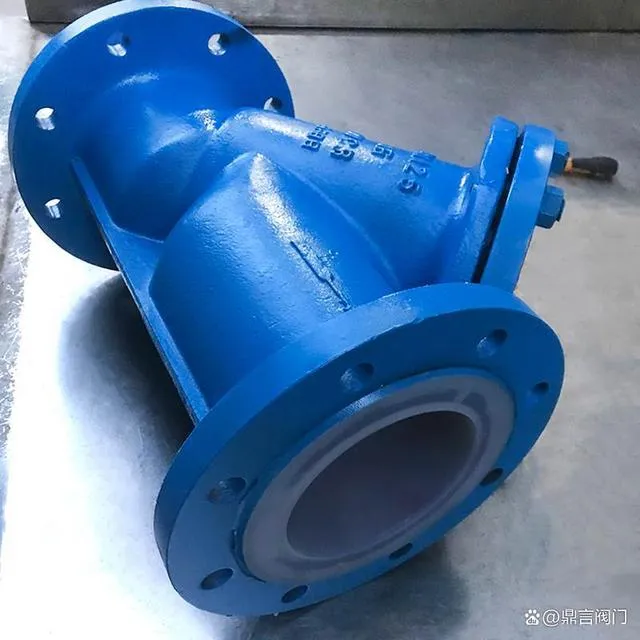
Vertical Y strainer efficient way to filter particles from fluid flow.
Vertical Y strainers are essential components in piping systems that are designed to remove unwanted
welding table china
The Rise of Welding Tables in China A Comprehensive Overview Welding tables play a crucial role in v
 English